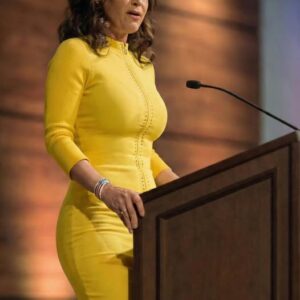
Days earlier, Trump dismissed Librarian of Congress Carla Hayden, part of a broader purge of officials seen as resisting his agenda. Hayden and Copyright Office head Shira Perlmutter were notified by email. Separately, prosecutors charged USAID employee Yusuf Akoll with fraud for creating a fake company to secure $16,666 in PPP loans, highlighting lax oversight in pandemic relief programs.
Small Business Administration officials failed to verify the company’s formation date—easily accessible through state corporation records—or cross-check the claimed income against federal tax filings, revealing a lack of basic due diligence. It also highlights the kind of oversight gaps the Department of Government Efficiency has focused on addressing as a core part of its mission.
USAID was shut down, and its remaining functions were absorbed into the State Department amid concerns from Republicans and the Department of Government Efficiency over widespread financial mismanagement. According to records, Akoll had oversight of hundreds of thousands of dollars in funding directed to foreign countries, money that was often difficult to track and monitor effectively.
Coronavirus relief payments were distributed under a “pay and chase” model, in which the government prioritized rapid disbursement with the expectation that fraudulent claims would be pursued later. However, the Biden administration largely abandoned efforts to recover those funds.
In 2023, the Biden administration announced it would not attempt to collect loans under $100,000 that were technically required to be repaid, citing “equity” concerns. While most loans were designed to be forgiven, recipients who failed to meet forgiveness criteria were still obligated to repay them.